President Donald Trump announced a reversal of previous sanctions targeting Russian diesel exports, a move that has drawn international attention. The policy shift was presented as part of a broader diplomatic effort involving Russian President Vladimir Putin. The administration said the change would facilitate energy market stability.
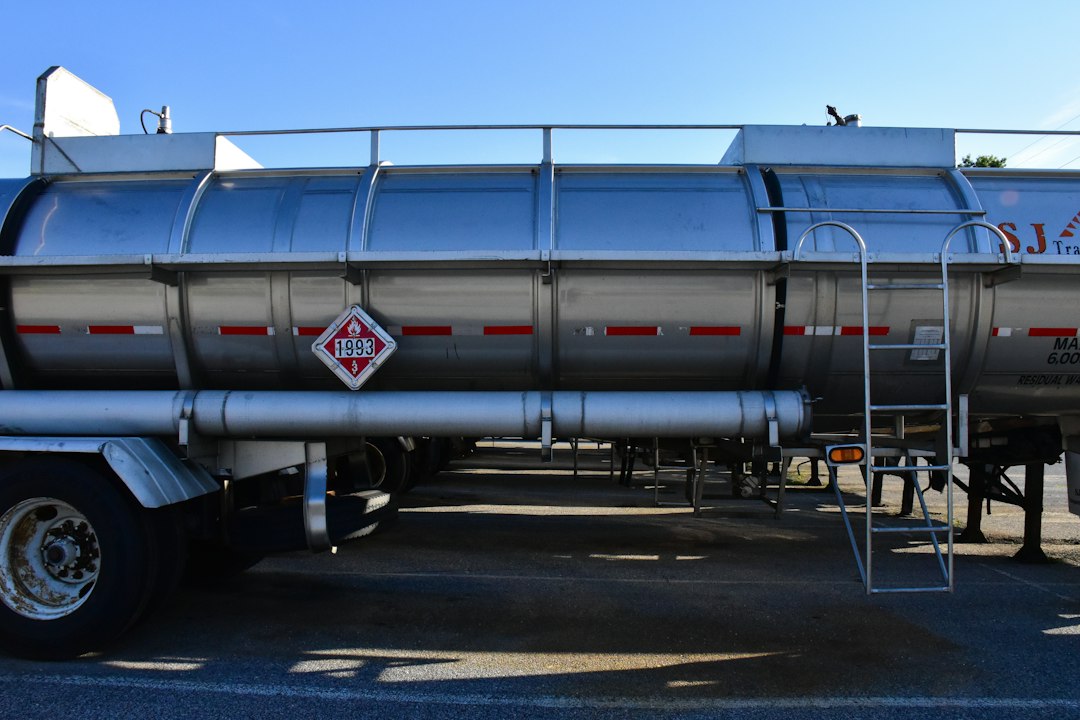
Under the new arrangement, Russia has agreed to release 300,000 tons of diesel fuel that had been held under export restrictions. The shipment is expected to enter global markets over the coming months, potentially lowering fuel costs in some regions. The administration framed the release as a goodwill gesture aimed at reducing geopolitical tensions.
In response, Ukrainian President Volodymyr Zelenskyy issued a strong rebuke, describing the policy reversal as weak. He emphasized that peace cannot be achieved by showing leniency to aggressive actions. The statement came during a period of heightened conflict between Ukraine and Russia, underscoring Kyiv’s concerns about international concessions.
Zelenskyy’s remarks have been widely reported across European and American media, prompting debate among policymakers. While some observers argue that the diesel release could help stabilize markets, others warn it may embolden Russian strategies. The Ukrainian leader’s comments reinforce his country’s stance that security must be defended through strength, not appeasement.
The diplomatic development continues to unfold, with analysts monitoring how the diesel agreement may affect broader U.S.-Russia relations. The situation remains fluid as both governments navigate complex energy and security considerations.